September 15, 2026
Avoiding mistakes when selecting materials for structural projects can save time, money, and frustration, ensuring every build rests on a solid foundation. Sourcing raw timber requires precise attention to detail, as small oversights during procurement can compromise structural integrity and balloon project budgets. The United States produced over nine billion board feet of lumber in 2025, according to the National Association of Home Builders. This massive volume highlights the absolute necessity of navigating the commercial supply market with a clear, strategic framework.
Navigating the complex world of material acquisition involves understanding wood species, grading standards, and environmental factors. Purchasing agents and project managers must avoid common pitfalls ranging from poor planning to mismanaged moisture controls. By recognizing potential missteps before placing an order, procurement professionals can streamline their supply chains and maximize efficiency. Thoughtful purchasing strategies yield better long-term performance, higher safety standards, and superior project execution across all commercial and industrial builds.
Planning Project Requirements Thoroughly
Foreseeing structural needs before placing a material order prevents costly delays and project halts. Sourcing construction lumber without detailed architectural plans often leads to severe dimensional mismatches on the job site. Project managers must evaluate load-bearing specifications, preferred wood species, and necessary protective treatments well before signing procurement contracts. Establishing explicit project guidelines upfront streamlines execution, minimizes material wastage, and keeps overall labor schedules running smoothly without unexpected operational interruptions.
Calculating exact material quantities requires equal attention to detail to keep budgets perfectly aligned. Underestimating material needs stops construction entirely, while overordering ties up vital capital in unnecessary excess inventory. Procurement specialists should utilize digital modeling software and physical measurements to account for exact structural requirements alongside reasonable allowances for waste and offcuts. Adding a deliberate contingency buffer ensures that unexpected design modifications do not stall site progress or force frantic, high-cost reorders.
Managing Moisture Content Correctly
Controlling internal moisture within wood products stands as one of the most vital aspects of material management. Using high-moisture construction lumber leads to severe warping, shrinking, and structural instability once installed within a sealed building envelope. Commercial projects heavily rely on kiln-dried inventory because controlled thermal exposure reduces internal moisture to stable, uniform levels. Investing in kiln-dried stock protects the long-term durability of a build and prevents post-installation failure caused by natural timber movement.
Verifying internal water saturation requires regular testing with accurate moisture meters throughout storage and construction. Material managers must inspect incoming deliveries immediately to confirm compliance with project specifications before installation begins. Uncontrolled environmental humidity can rapidly ruin exposed inventory, causing swelling or internal decay before the timber is even framed. Proper jobsite storage, including elevated stacking, protective covers, and continuous airflow, guards raw materials against severe regional climate variations and sudden weather shifts.
Evaluating Wood Quality Carefully
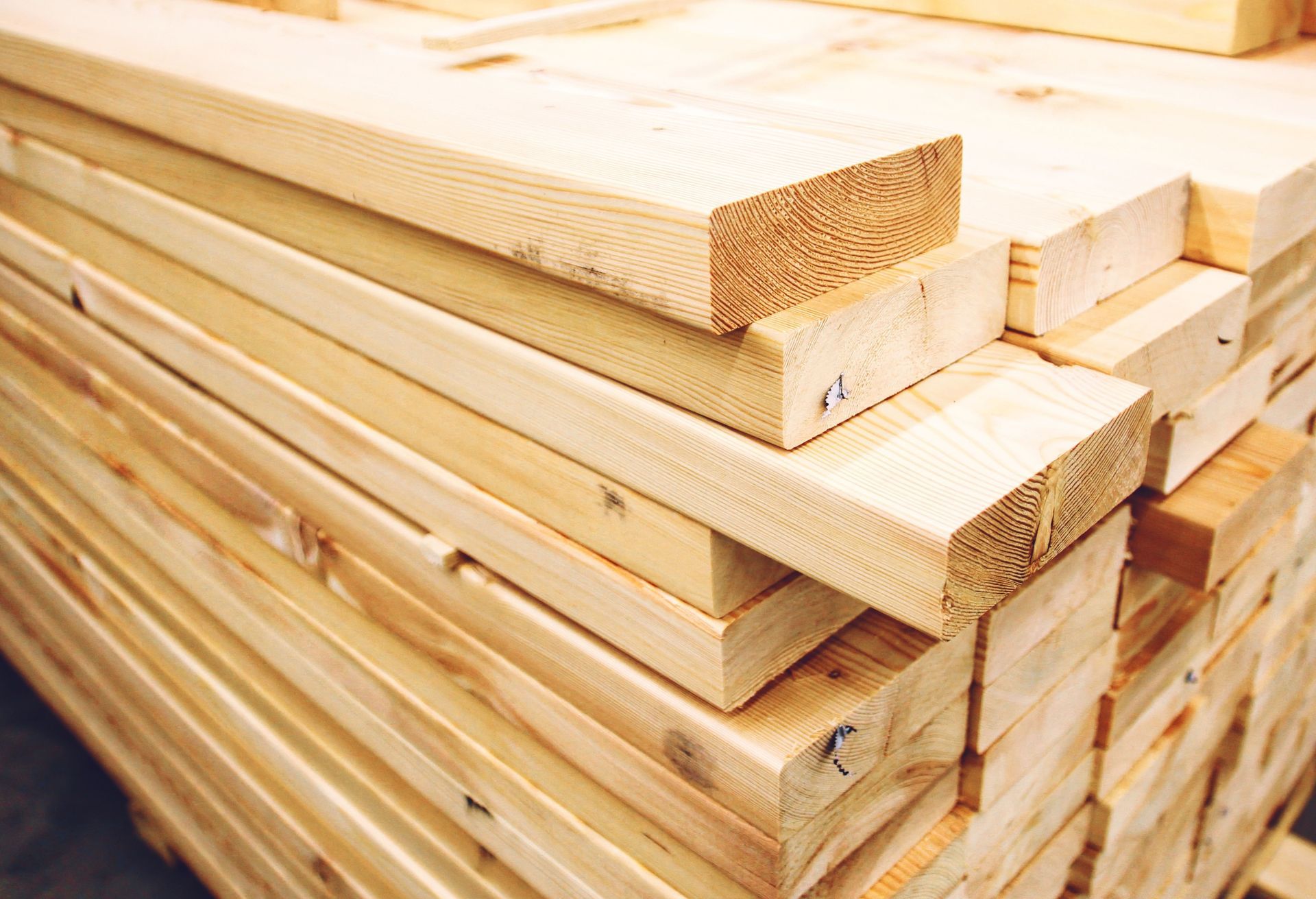
Identifying physical defects visually is an essential skill for any professional material buyer. Knots, splits, checking, and bow defects directly impair the load-bearing capacity and visual finish of structural framing. Purchasing substandard grades simply to trim upfront costs typically results in extensive corrective labor later, completely erasing any initial savings. A systematic quality assessment upon delivery ensures that every piece meets the precise load specifications demanded by structural engineers. Thorough inspections before signing off on deliveries ultimately protect the overarching structural design.
Balancing material cost against overall structural performance requires deep industry knowledge and strong commercial relationships. Reputable suppliers provide fully transparent grading standards, verified mill certifications, and reliable delivery schedules that insulate projects from sudden supply chain shocks. Furthermore, adhering to local building codes and regional compliance laws prevents severe legal penalties and mandated teardowns. Aligning material selection with both code requirements and aesthetic targets ensures an enduring, compliant, and visually impressive final structure. Taking time to cross-reference mill standards prevents long-term maintenance headaches down the road.
Distinguishing Lumber Types Accurately
Differentiating between softwoods and hardwoods is fundamental when specifying structural versus decorative components. Softwoods typically offer the ideal strength-to-weight ratio needed for general framing, roof trusses, and subflooring applications. Hardwoods provide exceptional density and wear resistance, making them better suited for heavy-duty structural posts or high-traffic interior finishes. Selecting the wrong category for a specific structural role jeopardizes the safety and functional lifespan of the entire installation. Consulting species selection guides helps verify performance under expected loads.
Selecting specialized options like pressure-treated or engineered timber expands construction versatility while solving specific environmental challenges. Treated construction lumber incorporates chemical preservatives that resist rot, fungal decay, and insect attacks, making it mandatory for ground-contact applications. Meanwhile, composite and engineered options like glulam and laminated veneer lumber provide superior dimensional stability over massive spans. Matching the precise wood treatment or engineered composite to the exact environmental exposure ensures long-term structural resilience. Evaluating life-cycle costs helps identify when engineered options offer superior value.
Accounting For Environmental Factors
Shielding jobsite inventory from extreme weather conditions preserves the physical integrity of raw wood stock. Unprotected exposure to heavy rain, direct sunlight, or freezing temperatures drastically accelerates material degradation and dimensional movement. Implementing protective site protocols, such as raised dunnage and breathable tarps, prevents moisture absorption and surface checking. Understanding local climate challenges allows site managers to adapt their storage methods and protect high-value inventory from localized environmental damage. Consistent site monitoring prevents costly material degradation before framing begins.
Adopting sustainable procurement practices satisfies modern ecological standards while ensuring full compliance with international forestry laws. Sourcing certified sustainable construction lumber demonstrates environmental leadership and aligns projects with strict green building standards like LEED. Verifying origin documentation and trade certifications guarantees that materials are legally harvested from responsibly managed forests. These future-proofing strategies insulate construction operations against evolving environmental regulations and supply chain disruptions, ensuring long-term operational viability. Responsible sourcing practices enhance corporate reputation while safeguarding natural ecosystems.
Purchasing Beyond Base Price
Avoiding decisions driven solely by initial purchase price prevents massive budget overruns later in the project lifecycle. Inexpensive construction lumber often carries hidden costs, such as higher rejection rates, increased sorting labor, and accelerated maintenance needs. A thorough total-cost-of-ownership analysis accounts for delivery logistics, waste handling, and long-term durability alongside the initial invoice line item. Prioritizing verified material quality over the lowest sticker price protects capital investments and reduces lifecycle maintenance expenses. Factoring in potential rework expenses reveals the true cost of cheap materials.
Navigating market price fluctuations requires continuous monitoring of global timber supply chains and economic trends. Supply constraints, transportation bottlenecks, and raw material shortages can cause rapid price swings that threaten thin profit margins. Establishing long-term supply agreements and comparing comprehensive vendor proposals helps project managers lock in fair pricing without sacrificing quality. Choosing value-driven procurement over short-term cost-cutting yields predictable financial performance, superior structural integrity, and long-term client satisfaction across every build. Strategic supplier partnerships provide leverage during periods of high market volatility.
Strategic material procurement requires meticulous planning, precise quality control, and an unyielding focus on long-term value over short-term savings. Avoiding common purchasing mistakes ensures that structural builds remain safe, compliant, and cost-effective from ground-break to final inspection. Navigating wood grades, moisture levels, and environmental conditions with professional expertise sets elite commercial projects apart in terms of durability and execution. Partnering with a trusted commercial supplier secures high-grade materials, reliable delivery schedules, and expert industry guidance every step of the way. For reliable access to top-tier
construction lumber, competitive commercial pricing, and dedicated supply chain support tailored to your upcoming build, contact Island Lumber & Hardware today to consult with our experienced procurement specialists. Investing in high-grade materials today guarantees peace of mind for decades to come.