August 20, 2026
A residential property relies heavily on structural integrity and environmental sealing to maintain indoor comfort and operational efficiency through changing seasons. Over time, original fixtures undergo wear from atmospheric exposure, seasonal temperature shifts, humidity, and building settling. While homeowners often focus on major roof repairs or HVAC maintenance, aging fenestration systems frequently go unnoticed until performance drops. Recognizing early warnings allows property owners to address thermal vulnerabilities before minor issues escalate into costly repairs. Deciding to invest in window replacement can dramatically elevate a property's overall efficiency, charm, and interior comfort, turning an aging structure into a modern, energy-efficient sanctuary.
1. Feel Persistent Indoor Drafts
Maintaining a stable interior climate requires a tightly sealed envelope that prevents conditioned air from escaping while keeping exterior air out. When thermal barriers break down, air currents cross through hidden gaps, creating temperature variances across different rooms. Homeowners often try to compensate by adjusting heating or cooling systems, but localized air movement indicates structural barriers are failing to hold a seal. Ignoring thermal inconsistencies leads to uncomfortable living spaces and forces climate control hardware to run continuously without stabilizing indoor temperatures.
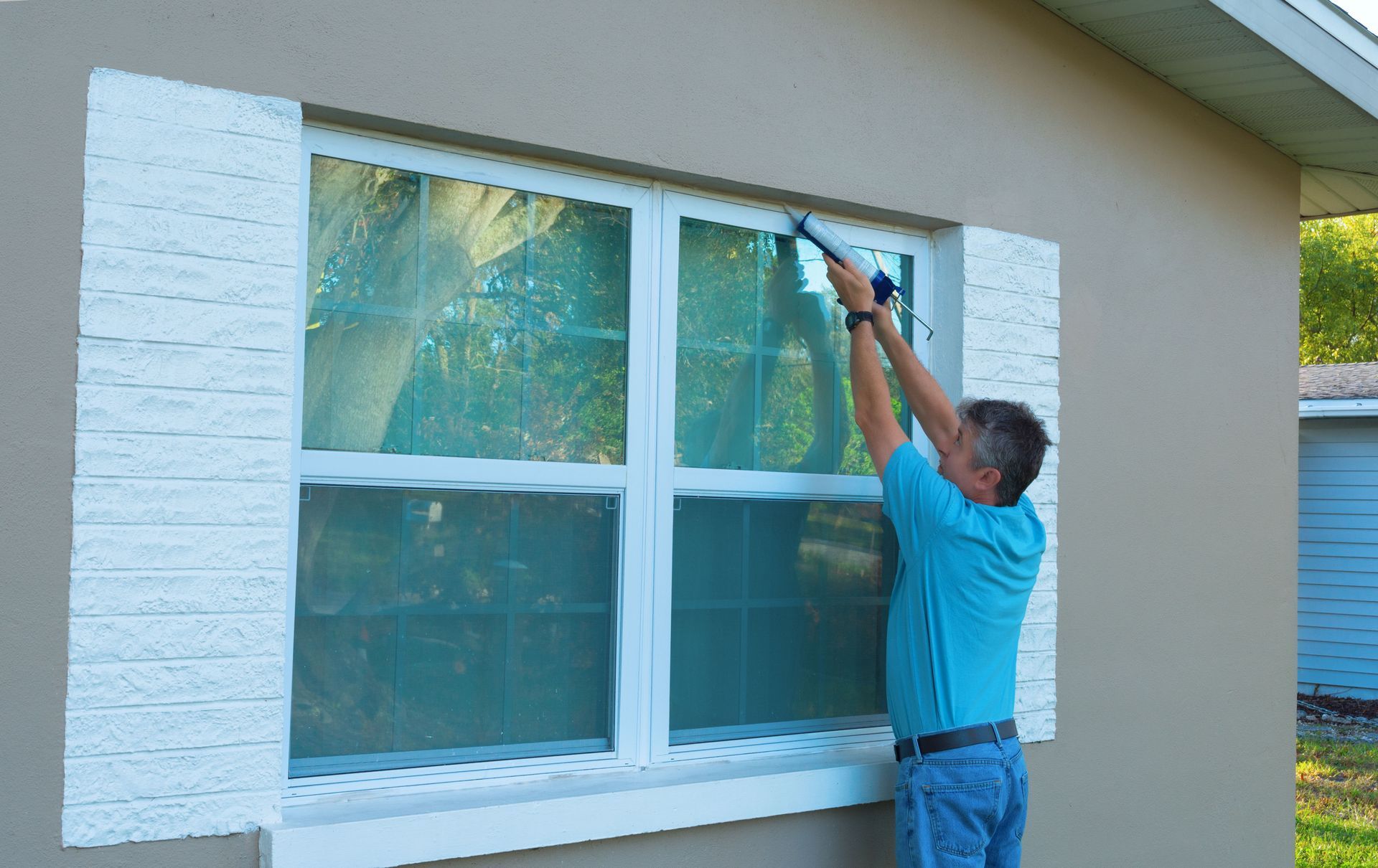
When you regularly feel cold or warm breezes near glass panes, you are dealing with failing structural components. Over time, weatherstripping becomes brittle, sealant cracks under sunlight, and operating sashes shift out of alignment. While temporary remedies like caulking offer minor seasonal relief, they do not correct underlying frame warping or sash displacement. Pursuing a complete window replacement restores the airtight seal of your living space, utilizing multi-pane technology and precision-molded frames that permanently block unwanted air infiltration.
2. Notice Rising Energy Bills
Energy efficiency is a cornerstone of modern construction, yet older glass assemblies remain a primary pathway for thermal transference in a building. As heat naturally moves toward cooler areas, poor thermal insulation allows heat to creep inside during summer months and escape during winter conditions. This heat transfer places an immense load on HVAC hardware, forcing systems to consume more energy to maintain set temperatures. Consequently, monthly utility usage climbs steadily over time, transforming subtle energy losses into significant waste for the household.
If you notice that monthly utility costs are swelling despite consistent household habits, inefficient glass technology is often the main cause. Older single-pane windows or degraded dual-pane units lack modern Low-Emissivity coatings and insulating gas fills engineered to reflect solar heat and insulate glass panels. Over time, these thermal inefficiencies compound into substantial energy loss. Upgrading to high-efficiency window replacement units provides an immediate boost in insulation value, significantly reducing baseline energy waste while lessening the workload on primary HVAC systems.
3. Spot Internal Window Condensation
Glass surfaces naturally react to moisture levels in the air, but where and how moisture accumulates reveals critical details about window health. External fogging during humid mornings or interior moisture during freezing temperatures is a normal reaction to dew points. However, when moisture penetrates inner layers of multi-pane glass units, it points to a breakdown in the factory-sealed insulated glass assembly. Once moisture finds its way past protective seals, insulating gas dissipates and leaves the pane unable to perform its thermal function.
Observing persistent fog, water droplets, or haze trapped between glass panes indicates internal moisture accumulation caused by irreversible seal failure. Inside double- or triple-pane units, desiccant materials absorb ambient moisture until fully saturated, after which trapped vapor condenses with temperature changes. This trapped moisture obscures visibility, leaves water marks, and eventually encourages mold or mildew growth along interior framing tracks. Because factory seals cannot be restored in place, opting for professional window replacement is the only reliable way to eliminate trapped moisture and restore full insulating performance.
4. Experience Difficult Window Operation
Windows must open, slide, tilt, and lock smoothly to facilitate natural ventilation, emergency egress, and proper home security. Over years of heavy usage, coastal weather, and shifting foundations, opening mechanisms suffer wear that hinders movement. A window that sticks, jams, or requires substantial force to open presents more than a daily nuisance; it creates a safety hazard that limits exit routes and prevents proper household air circulation. Smooth functionality should always be expected from residential openings regardless of age.
Experiencing severe friction, sticking sashes, or latching issues points to difficult operation rooted in physical structural distortion or rusted mechanical hardware. Over time, wooden sashes swell from humidity, vinyl tracks warp under heat, and internal balance springs or crank gears corrode and break. Attempting to force rusted components often damages the frame further or risks shattering glass under pressure. Installing a full window replacement restores flawless mechanical operation, incorporating durable modern materials, smooth balance systems, and robust multi-point locks that prioritize safety and effortless utility.
5. Hear Excessive Outside Noise
A home should serve as a quiet retreat from the bustling activity of the surrounding neighborhood, traffic, and external noise. A home's acoustic barrier depends largely on the density and seal of its transparent openings. Older or single-pane glass configurations offer minimal sound dampening, allowing high-frequency sounds like traffic, barking dogs, and lawnmowers to pass directly into living spaces. When indoor tranquility is constantly disrupted by exterior sounds, the acoustic barrier provided by exterior openings has failed.
If ambient neighborhood sounds are as clear indoors as outside, your living space is likely suffering from thin glass and air gaps. Single-pane windows or units with deteriorated perimeter seals allow sound waves to vibrate directly through glass and seep through tiny structural crevices. Modern window designs address acoustic comfort by incorporating specialized multi-pane glass, laminated acoustic interlayers, and dense insulating gas fills that disrupt sound wave transmission. Choosing a quality window replacement with higher acoustic ratings creates a significantly quieter, more restful indoor sanctuary. Indeed, according to This Old House, over 95% of homeowners expressed total satisfaction after installing new windows, citing quieter indoor spaces, reduced drafts, and superior overall comfort.
6. Identify Visible Frame Damage
Window frames act as the primary structural support anchor connecting glass assemblies directly to building framing. Constant exposure to rain, intense sun rays, extreme temperature shifts, and humidity gradually degrades framing materials across all architectural styles. When framing loses rigidity and protective exterior finish, water can infiltrate wall cavities, threatening surrounding drywall, insulation, and studs. Preserving structural soundness along exterior openings is critical to preventing hidden water damage throughout the building structure.
Discovering chipped, soft, or disintegrating materials along exterior trim or interior sashes is clear evidence of visible frame damage requiring immediate attention. Wood frames are prone to fungal rot and termite infestation when moisture penetrates paint coats, while older vinyl frames can crack, fade, and sag under intense sun exposure. If left unaddressed, frame decay allows water to channel behind siding, leading to extensive structural rot that undermines the wall opening. Executing a full window replacement removes all compromised structural components and replaces them with rot-resistant composite, high-grade vinyl, or aluminum materials that safeguard your home against future water intrusion.
Maintaining high-performing exterior openings is fundamental to protecting a home's structural health, interior comfort, and long-term value. While individual warning signs like drafts, elevated energy bills, foggy glass, mechanical sticking, outdoor noise, or decaying frames may seem like minor inconveniences, they collectively signal an aging building envelope in need of immediate upgrades. Addressing these issues early prevents hidden water damage, reduces energy waste, and restores peace of mind for every occupant. By prioritizing a modern window replacement project, homeowners can permanently eliminate structural vulnerabilities, enhance curb appeal, and enjoy a quieter, more energy-efficient living environment for decades to come. When you are ready to upgrade your property with durable building supplies and expert service, contact us at Island Lumber & Hardware to discuss your project requirements.