June 16, 2026
In today’s construction and design landscape, material selection plays a central role in defining both performance and long-term visual impact. Among premium building materials, exotic wood has become increasingly desirable due to its unique appearance, structural strength, and versatility across a wide range of applications. Unlike standard domestic lumber, exotic wood often features richer coloration, denser grain structures, and a level of natural variation that immediately elevates the aesthetic quality of a project.
Builders, architects, and homeowners are increasingly turning to exotic wood when they want materials that stand out visually while still delivering dependable structural performance. Whether used in flooring, cabinetry, or exterior applications, exotic wood brings a sense of refinement that is difficult to replicate with more common materials. As demand for custom finishes continues to grow, exotic wood has shifted from a niche option to a mainstream choice in high-end construction.
What Makes Exotic Wood Different From Domestic Wood?
The defining difference between exotic wood and domestic lumber begins with geography and growth conditions. Exotic wood is typically sourced from tropical or subtropical regions where trees grow more slowly and under more competitive environmental conditions. This slower growth produces tighter grain structures, higher density, and more complex natural patterns.
That density is one of the key reasons exotic wood behaves differently during construction and use. It tends to be heavier, more durable, and more resistant to wear than many domestic alternatives. At the same time, exotic wood offers a far broader range of natural coloration, from deep reds and chocolate browns to golden hues and striped or wavy grain patterns.
Because of these characteristics, exotic wood is often selected not just for structural purposes but also for its visual impact. In interior design, exotic wood can transform flooring, wall panels, or furniture into focal points that define the character of an entire space. Even a small amount of exotic wood used strategically can significantly elevate the perceived quality of a project.
How Durable Is Exotic Wood For Construction Projects?
Durability is one of the strongest reasons builders choose exotic wood for demanding applications. Many species contain natural oils and dense fibers that provide resistance to moisture, insects, and decay. This makes exotic wood particularly well-suited for environments where traditional materials may degrade more quickly. In many cases, this built-in resistance also reduces the need for chemical treatments or heavy surface sealing, which can further extend the material’s usable life.
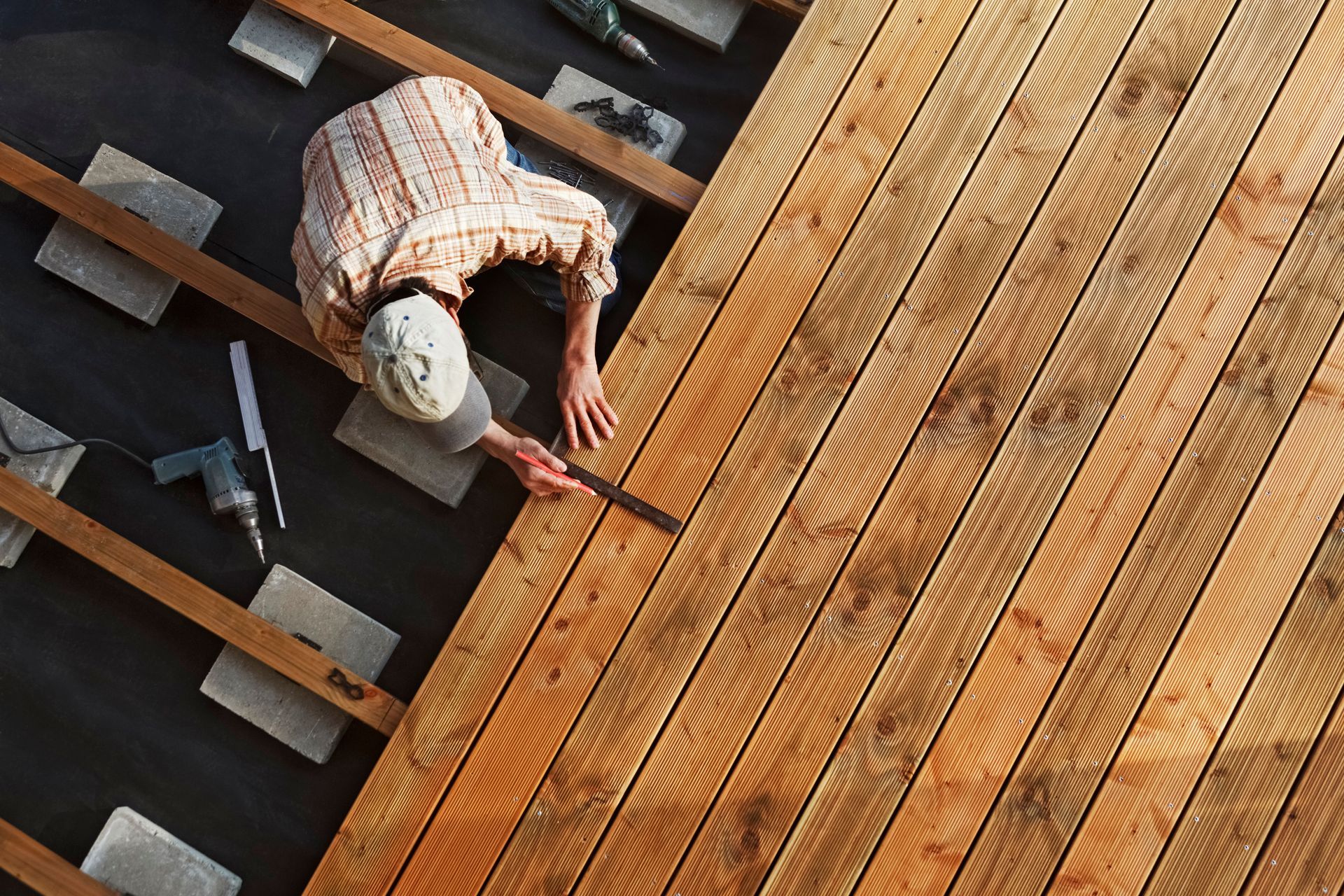
In outdoor settings, exotic wood performs especially well in decking, siding, and landscaping features. Its density allows it to withstand temperature fluctuations, humidity, and prolonged sun exposure without warping as easily as softer woods. For this reason, exotic wood is frequently used in luxury outdoor spaces where both performance and appearance matter. Over time, it also tends to weather more gracefully, often developing a natural patina rather than breaking down structurally.
Indoors, exotic wood is commonly used in flooring and stair construction. High-traffic areas benefit from its resistance to dents and scratches, especially when compared to softer domestic species. Over time, exotic wood tends to maintain its structural integrity and visual appeal, which reduces the need for frequent repairs or replacements. It also holds finishes and stains exceptionally well, allowing homeowners to preserve or enhance its appearance with minimal upkeep.
This long-term resilience is one of the reasons exotic wood is often considered a cost-effective material despite its higher upfront price point. When factored over decades of use, the reduced maintenance demands and extended lifespan can offset initial installation costs, making exotic wood a practical investment in both residential and commercial projects.
What Varieties Of Exotic Wood Are Best For Building?
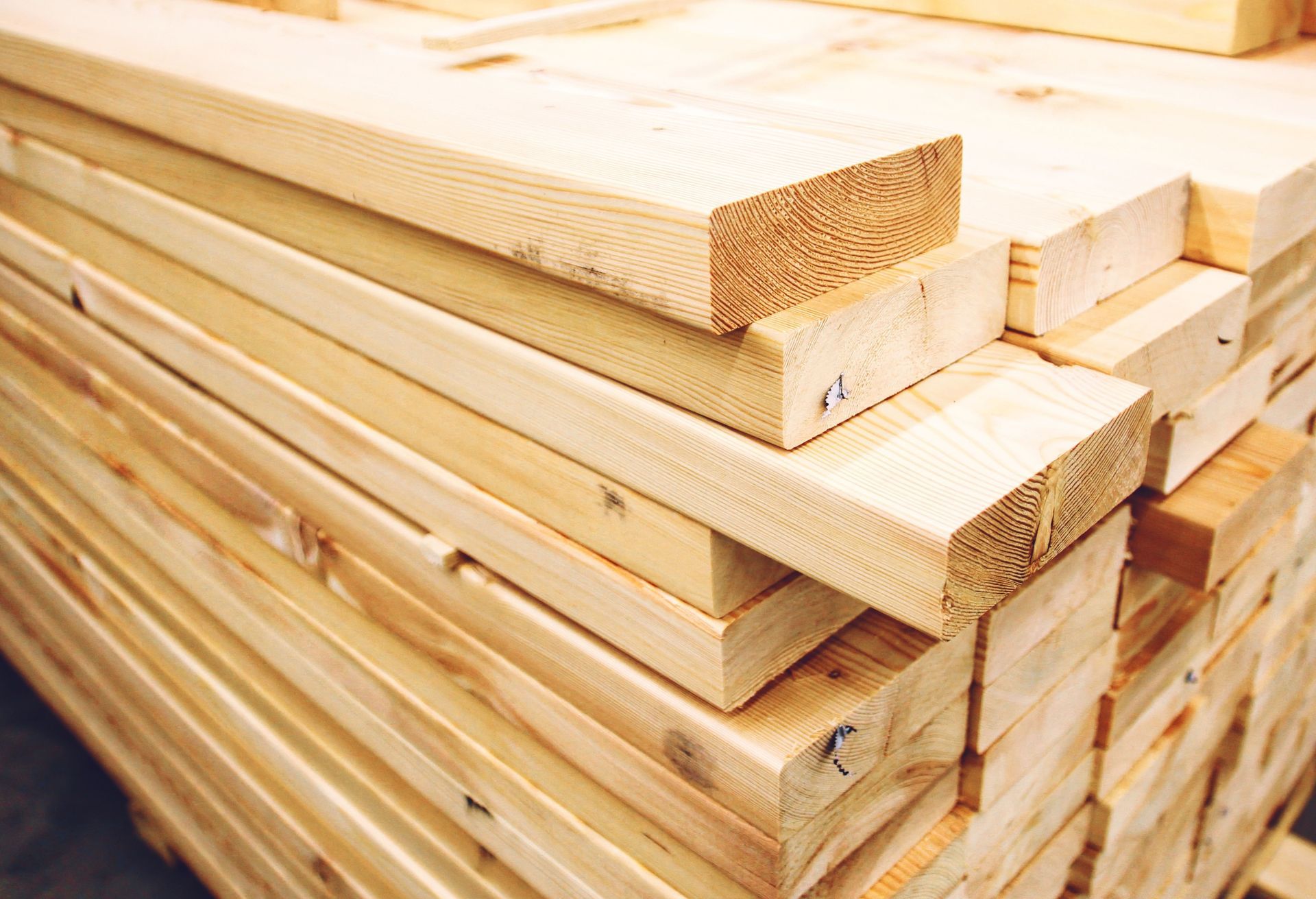
There are many species of exotic wood used in construction, each offering distinct advantages depending on the application. Teak is one of the most widely recognized varieties, valued for its natural resistance to moisture and decay. It is frequently used in outdoor furniture and marine environments where durability is essential.
Ipe is another popular choice due to its extreme hardness and density. It is often used in decking and exterior structures where long-term wear resistance is a priority. In many cases, exotic wood such as Ipe can last significantly longer than softer domestic alternatives when properly maintained.
Mahogany is widely appreciated for its warm tones and smooth grain, making it a common choice for cabinetry, doors, and fine interior woodworking. Its workability and appearance make it one of the most versatile types of exotic wood for interior design applications.
Other varieties like zebrawood and rosewood are often chosen for decorative purposes. Zebrawood, with its bold striped appearance, is frequently used for statement furniture or accent panels, while rosewood offers deep coloration and a refined finish that works well in luxury detailing. Across all these species, exotic wood provides design flexibility that is difficult to match with standard materials.
Is Exotic Wood A Sustainable Choice For Builders?
Sustainability is a nuanced topic when it comes to exotic wood. The environmental impact depends heavily on sourcing practices, forest management, and certification standards. When harvested responsibly, exotic wood can be part of sustainable construction practices, particularly when it comes from certified forests that follow replanting and ecological preservation guidelines.
Certifications such as FSC (Forest Stewardship Council) help ensure that exotic wood is sourced in a way that supports long-term forest health. Builders who prioritize sustainability often rely on these certifications when selecting materials for environmentally conscious projects.
Consumer behavior also reflects growing interest in material sourcing. According to the Home Improvement Research Institute, approximately 10.4% of customers purchasing wood-based building materials prefer to shop in person at a lumberyard or building supply store. This preference is especially relevant when selecting materials like exotic wood, where buyers often want to physically inspect grain patterns, quality, and sourcing details before committing.
That hands-on selection process plays a key role in ensuring that exotic wood meets both aesthetic and ethical expectations.
What Are The Cost Implications Of Using Exotic Wood?
Cost is one of the most important considerations when evaluating exotic wood for a project. In general, exotic wood is more expensive than domestic lumber due to factors such as limited supply, slower growth cycles, import logistics, and processing requirements. However, the initial investment is only part of the overall financial picture.
Because exotic wood tends to be more durable and resistant to environmental wear, it often results in lower long-term maintenance costs. In applications like flooring, decking, or custom furniture, exotic wood may last significantly longer before needing replacement or major repairs.
There is also a value-added component associated with exotic wood. In high-end residential and commercial design, materials with a distinctive appearance can increase perceived property value. The visual impact of exotic wood often contributes to a more luxurious and customized aesthetic, which can be especially important in competitive real estate markets.
When viewed over a long-term horizon,
exotic wood can represent both a design investment and a functional one.
Exotic wood continues to stand out as a premium material choice in modern construction and design due to its unique combination of beauty, strength, and versatility. While it may require a higher initial investment and careful sourcing considerations, its long-term performance and visual impact often justify the cost. For builders and homeowners seeking materials that elevate both form and function, exotic wood remains one of the most compelling options available. If you're looking for exotic wood, reach out to the dedicated team at Island Lumber & Hardware today!