July 14, 2026
The installation of impact windows is a significant home improvement decision, especially for those living in hurricane-prone areas. This article aims to explore the varying costs associated with impact windows, providing homeowners with insightful information to make informed decisions. Impact windows offer more than just protection from harsh weather; they increase home security and energy efficiency, ultimately enhancing property value. With a range of styles and pricing, understanding the essential factors is crucial for effective budgeting and maximizing the return on investment. Through comprehensive analysis, this article intends to guide homeowners towards a sensible purchase.
The Basics of Impact Windows
History of Impact Windows
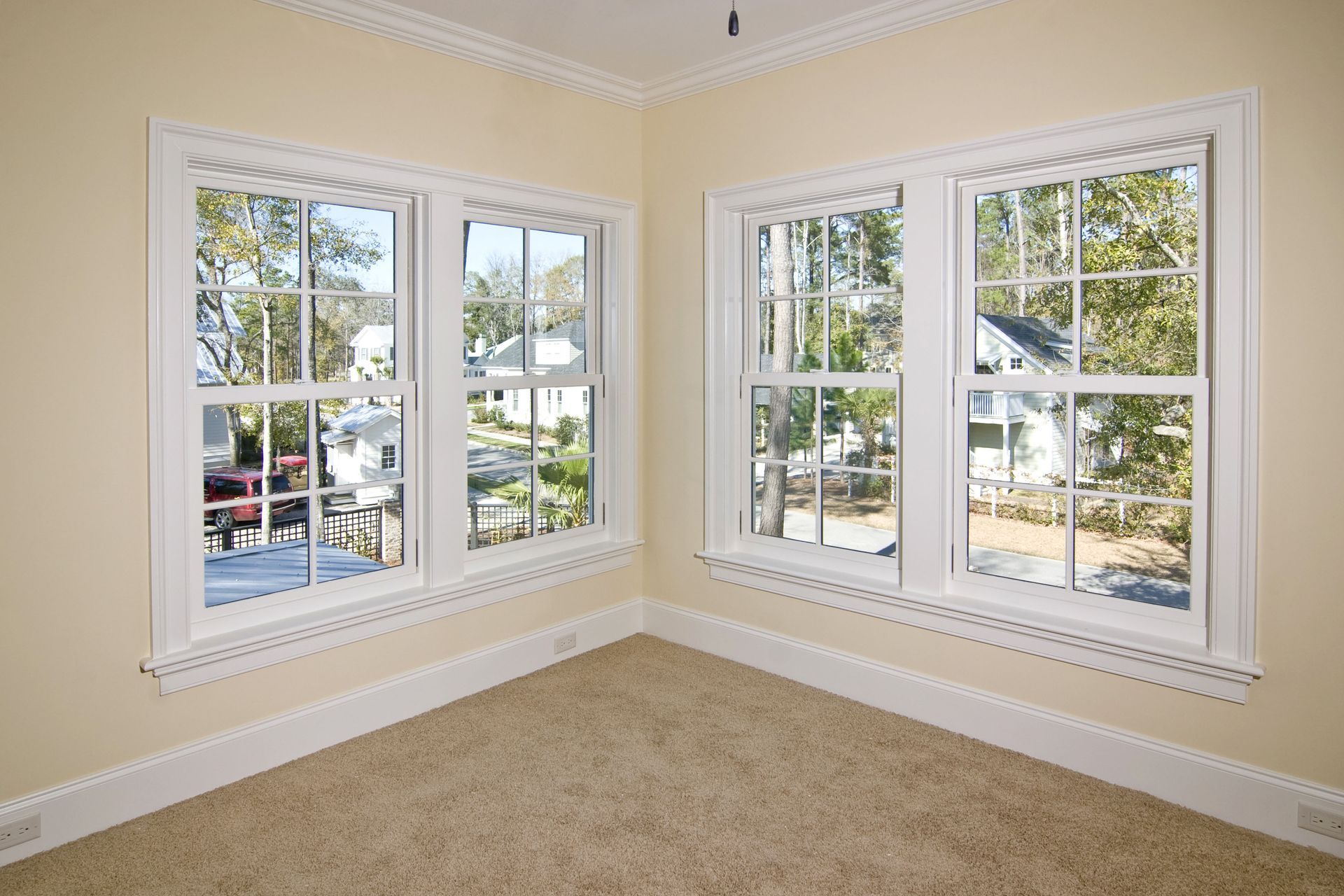
Impact windows are specially engineered to withstand extreme weather conditions, such as hurricanes and strong storms. They consist of heavy-duty frames and double-layered glass, which encase an inner, shatter-resistant membrane. This design prevents the glass from breaking into dangerous shards, thereby safeguarding the home. Originally developed for areas prone to hurricanes, impact windows are now preferred by many for the security benefits they offer. As a result, these windows have become a staple in construction and renovation projects nationwide.
Benefits Beyond Cost
While the upfront cost of impact windows may be substantial, the long-term benefits often justify the investment. One of the most significant advantages is the increase in energy efficiency, as the insulation properties of these windows reduce heating and cooling costs. In many cases, homeowners report noticeable reductions in their utility bills, which can offset the initial expenditure over time. The thermal insulation provided by impact windows also ensures a comfortable home environment, regardless of external weather conditions. This energy conservation not only benefits homeowners financially but also contributes to environmental sustainability. Additionally, according to Modernize, impact windows have a lifespan of two decades or more if they receive routine upkeep.
How Impact Windows Are Made
The manufacturing process of impact windows involves several specialized steps to ensure their strength and durability. Initially, high-quality materials are selected, typically including thick glass and durable frames. The glass used is often tempered or laminated to enhance its resistance against impact forces. During production, these materials are rigorously tested to ensure they meet industry standards for impact resistance and safety. Such precision engineering results in windows that can withstand both natural and man-made forces.
Factors Influencing the Cost
Materials Used
The choice of materials is one of the most significant factors influencing the cost of impact windows. High-quality materials, such as tempered or laminated glass and advanced frame composites, ensure durability and resistance to both natural and man-made impacts. The specific composition of these materials can greatly affect the price, with certain variations being more expensive due to their enhanced performance characteristics. For instance, triple-layered glass or specialized coatings that offer additional UV protection will increase the cost of the window. Homeowners can expect to pay more when opting for superior materials that offer extended longevity and functionality.
The type and quality of framing material also contribute to cost variations among impact windows. Frames made from top-grade aluminum or reinforced PVC provide enhanced structural support, crucial for maintaining the integrity of the window during severe weather conditions. These materials, while more costly than standard options, ensure that the installation remains firmly intact and performs effectively over its lifespan. Therefore, selecting high-quality framing materials often translates into a higher investment but guarantees robust performance and protection. For eco-conscious homeowners, choosing sustainable materials, though potentially adding to the cost, represents a commitment to environmentally responsible home improvements.
Window Styles and Sizes
Another critical factor affecting the cost of impact windows is the style and size selected. Different window styles, such as casement, bay, or fixed, come with varying engineering requirements and material needs, leading to price disparities. For instance, larger bay windows require more material and labor for installation compared to standard-sized single or double-hung windows. Customization adds to this complexity, as unique shapes and non-standard sizes necessitate tailored manufacturing processes. Consequently, homeowners opting for specialized styles should anticipate higher costs relative to more conventional designs.
The size of the window also plays a significant role in determining its cost. Larger windows not only require more raw materials but also involve greater complexity during installation. This can lead to higher labor costs, as installing larger windows often demands more time, precision, and manpower to ensure proper fitting and sealing. Additionally, specialized support mechanisms may be necessary to maintain structural integrity, further adding to the installation costs. Therefore, accurately evaluating window size and the associated budgetary implications allows homeowners to forecast more realistic expenditure figures.
Installation Complexity
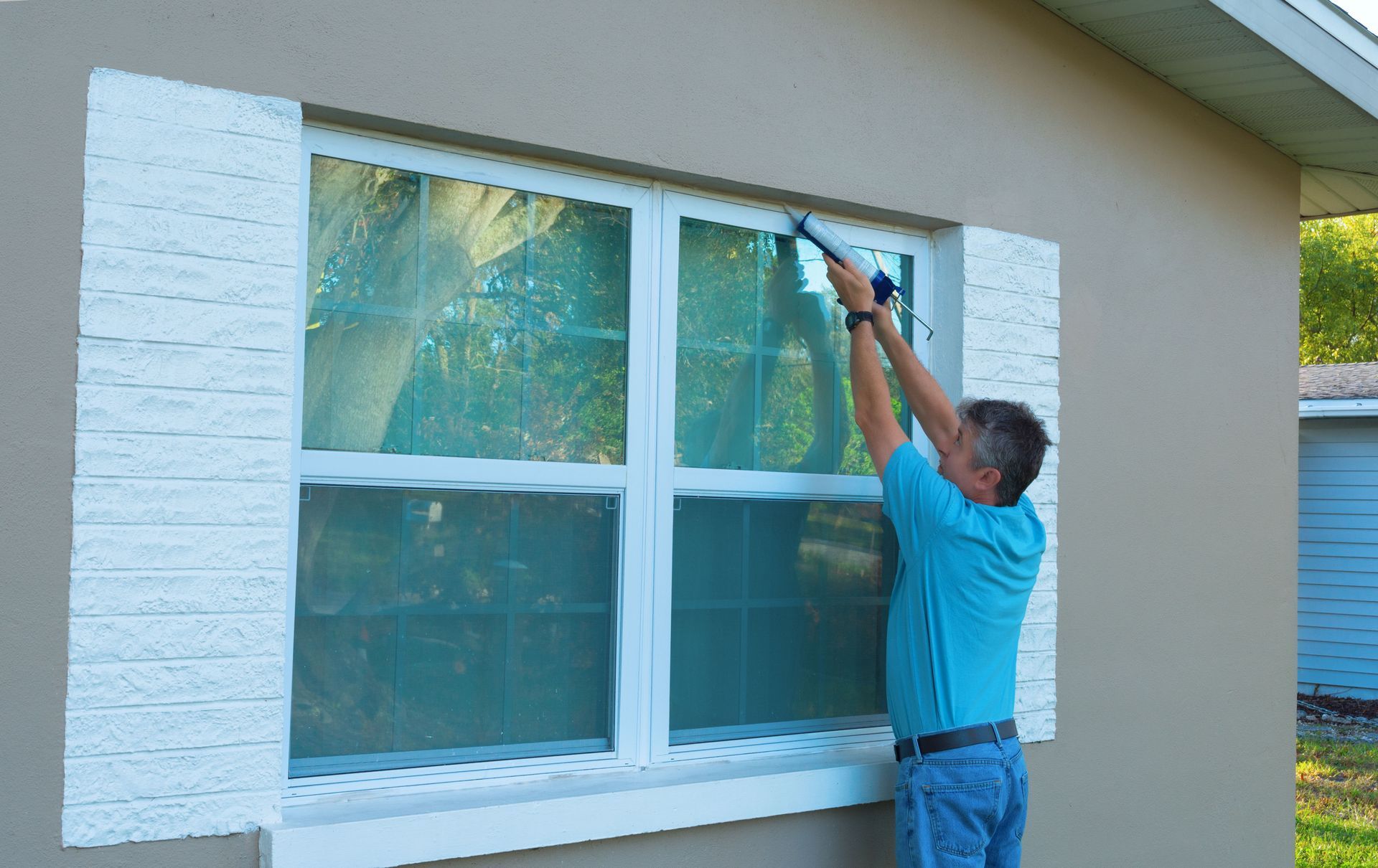
The complexity of installation is a key factor influencing the overall cost of impact windows. Simple installations on easily accessible locations tend to be less expensive, as they require standard fitting techniques and minimal labor time. However, installations in more challenging areas—such as high-rise buildings or hard-to-reach angles—demand specialized equipment and skilled labor, resulting in higher costs. These complex installations often necessitate greater precision and safety measures, impacting both the duration and expense of the installation process. Homeowners must account for these logistical factors when budgeting for impact window installations.
Operations requiring removal and disposal of existing windows can further complicate installation. Demolition or structural modification may be necessary, particularly for older homes that were not originally designed to accommodate modern impact windows. Such extensive preparatory work can lead to increased labor and material costs as new structural support may need to be implemented. The intricacy of coordinating these steps with the installation process introduces additional time and financial implications into the project. Comprehensive planning and detailed assessment of potential structural challenges are essential for accurate budgeting.
Cost Breakdown
Material Costs
Understanding the breakdown of material costs helps homeowners anticipate the financial requirements of impact window installations. Raw materials constitute a significant portion of the overall expense, influenced by the quality, type, and complexity of the materials used. High-performance glass, robust frames, and specialized insulating materials contribute to the enhanced durability and efficiency of impact windows, reflecting in their cost. Furthermore, variations in material pricing largely depend on factors such as supplier availability, market demand, and transportation costs, necessitating comprehensive market analysis for accurate budgeting.
The inherent properties of materials, such as their resilience, insulation capacity, and clarity, further affect pricing and choice considerations. Triple-pane glass often commands higher costs due to its superior energy efficiency and noise reduction capabilities compared to single or double-pane alternatives. Similarly, frame materials, including vinyl, aluminum, and wood, offer diverse benefits at varying price points, challenging homeowners to balance performance needs with budgetary constraints. Selecting appropriate materials requires thorough evaluation of the property's specific requirements, making material cost analysis a crucial component of installation planning.
Labor Costs
Labor costs form an integral part of the budget when installing impact windows, driven by several dynamic factors. Skill level, regional labor rates, and project complexity directly influence the financial commitment required for this component. Skilled professionals who adhere to industry standards ensure proper installation, reducing long-term maintenance needs and associated future expenses. Moreover, geographical disparities in wage standards necessitate tailored budget allocations by homeowners, reflecting regional economic conditions and labor demand. By understanding the intricacies of labor cost components, homeowners can better manage financial resources in alignment with installation objectives.
Investing in impact windows is a highly effective way to secure your home against severe weather while boosting overall energy efficiency and property value. While variables like material quality, window size, and installation complexity will inevitably shape your upfront budget, the long-term utility savings and structural durability yield a substantial return on investment. Ultimately, partnering with qualified professionals ensures a precise installation that capitalizes on these benefits, keeping your household safe and comfortable for decades to come. Contact Island Lumber & Hardware today to source top-tier impact windows!